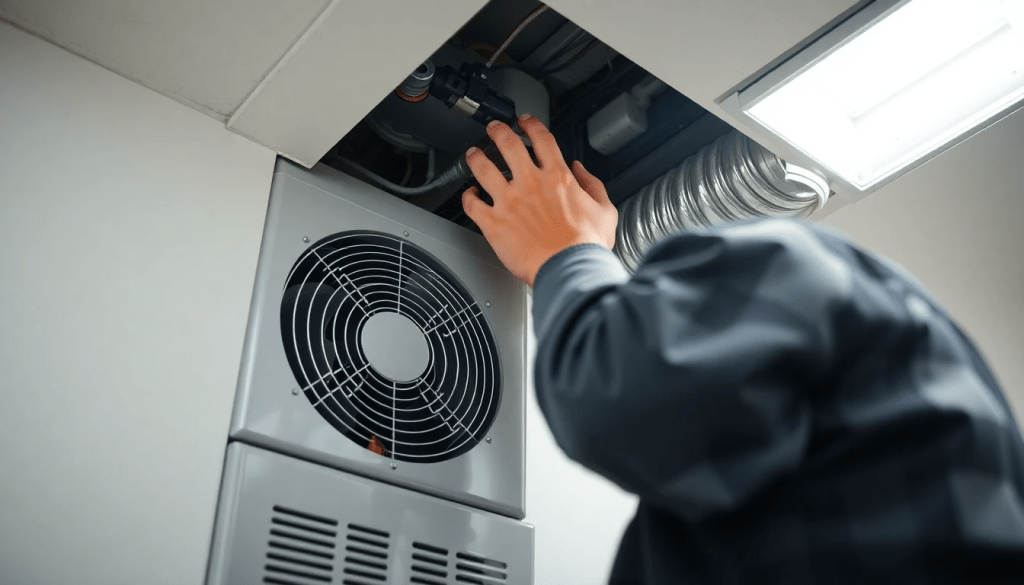
How long do HVAC installs take? It’s one of the most common questions homeowners ask when planning to replace or upgrade their heating and cooling system. The short answer: most standard residential HVAC installations take one full day, typically between 4 to 8 hours. However, the exact timeframe depends on several factors, including the type of system, the size of your home, ductwork condition, and whether additional upgrades are required.
If you’re considering a new air conditioning or heating system, understanding the installation timeline can help you plan accordingly and avoid unnecessary surprises.
Average Time for HVAC Installation
For a straightforward system replacement—where the existing ductwork, electrical connections, and layout are already in good condition—an experienced HVAC team can usually complete the job within 6 to 8 hours. This includes removing the old unit, installing the new system, connecting refrigerant lines, wiring, testing, and calibrating the thermostat.
However, if you’re installing an HVAC system in a new home or converting from one system type to another, the process may take longer—sometimes 1 to 3 days. New construction installs involve additional steps such as duct design, full system placement, and code inspections.
Factors That Affect How Long HVAC Installs Take
Several key elements influence how long HVAC installs take:
System Type
A basic central air conditioning replacement is typically faster than installing a heat pump or a complete HVAC system that includes both heating and cooling components. Ductless mini-split systems may take less time per unit but can require more work if multiple zones are involved.
Home Size
Larger homes often require larger systems, more ductwork adjustments, and additional time for testing and balancing airflow. A small single-story home will typically be quicker to complete than a multi-level property.
Ductwork Condition
If your ductwork is damaged, outdated, or improperly sized, modifications may be necessary. Repairing or replacing ducts can significantly extend installation time. In some cases, full duct replacement can add one to two additional days to the project.
Electrical and Structural Upgrades
Older homes may need panel upgrades, new disconnect boxes, or code-related improvements before the HVAC system can be safely installed. These adjustments can add several hours—or even an extra day—to the timeline.
Permits and Inspections
Local building codes often require permits and inspections for HVAC installations. While the physical install may take only a day, scheduling inspections can extend the overall project timeline.
What Happens During an HVAC Installation?
Understanding the process helps clarify why HVAC installs take the time they do. A professional installation typically includes:
- System removal and disposal
- Placement of the new indoor and outdoor units
- Refrigerant line connections
- Electrical wiring and safety checks
- Thermostat installation or upgrade
- System charging and performance testing
- Final inspection and homeowner walkthrough
A reputable HVAC contractor ensures every connection is secure, airflow is balanced, refrigerant levels are accurate, and the system operates efficiently before completing the job.
Can HVAC Installation Be Done in One Day?
In many cases, yes. Experienced technicians working on a standard replacement can complete the installation within a single workday. This minimizes downtime and ensures your home returns to comfortable temperatures quickly.
However, rushing the job is never recommended. A proper installation directly impacts energy efficiency, system lifespan, and indoor comfort. Taking the necessary time to perform precise measurements, correct refrigerant charging, and airflow balancing ensures optimal performance.
Why Professional Installation Matters
Some homeowners wonder if HVAC installation can be done as a DIY project to save time or money. In reality, HVAC systems involve electrical components, refrigerant handling, and code compliance requirements that demand professional expertise.
Improper installation can lead to reduced efficiency, higher energy bills, frequent breakdowns, and even voided manufacturer warranties. A certified HVAC professional ensures the system is installed correctly, safely, and in compliance with local regulations.
Planning Your HVAC Installation
If you’re preparing for a new HVAC system, schedule your installation during mild weather seasons—spring or fall—when demand is typically lower. This can help you secure faster scheduling and potentially better pricing.
Clear access to indoor and outdoor units, ensure pets are secured, and discuss the full scope of work with your contractor ahead of time. Proper preparation helps keep the project on track.
Final Thoughts
So, how long do HVAC installs take? For most homeowners, the answer is about one day for a standard replacement and up to several days for more complex projects. The key is working with a qualified HVAC professional who prioritizes quality, safety, and long-term performance over speed alone.
If you’re considering a new heating or cooling system, consult a trusted HVAC contractor to assess your home, provide a detailed timeline, and ensure a smooth, efficient installation from start to finish.
This post was written by a professional at Air Mavericks Heating & Cooling. https://airmavericks.com/ provides expert AC repair, installation, and maintenance in Largo, FL. Searching for ac companies near you, hvac repair near you, or hvac installation near you? Our licensed techs deliver fast, honest, and reliable HVAC service.

 Prime Plotter
Leave a comment